.svg)
.svg)
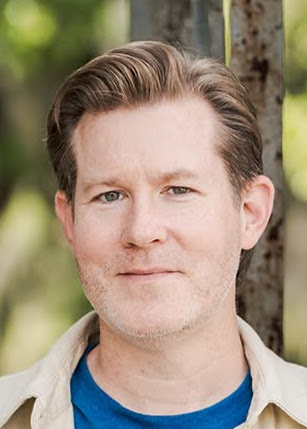
Powell Burke
lcsw
,
he/him/his
My clinical stance is integrative and grounded, drawing primarily from parts-based and experiential frameworks alongside behavioral and values-oriented work. Sessions tend to avoid pathologizing language and instead focus on understanding internal systems, protective strategies, and lived experience in context. My style is collaborative and steady, with an emphasis on depth over symptom management alone.
Who I Work With
I am a virtual therapist licensed in California, Colorado, Georgia, and Florida, actively providing psychotherapy to clients located in all of those states. I work with adults navigating trauma histories, chronic anxiety, depression, and identity-related stress, with a strong presence of LGBTQIA+ clients, including gay men and trans and nonbinary people. A significant portion of my work also involves high-functioning professionals, caregivers, and creative individuals who are internally overwhelmed or disconnected. I also specialize in working with clients working through relational patterns, self-worth issues, and the long-term impact of complex developmental or attachment trauma.
In Session
Sessions typically move between structured reflection and in-the-moment experiential work, depending on what emerges. Methods may include parts work, somatic tracking, values clarification, and attention to emotional and physiological cues as they arise in real time. The process is paced to keep clients within a manageable window of tolerance while still allowing meaningful contact with underlying material.
What Guides My Work
The work is shaped by trauma-informed, humanistic, and systems-oriented thinking, with a focus on how adaptation strategies form and persist over time. Training across modalities such as Internal Family Systems (IFS) parts work, Acceptance and Commitment Therapy (ACT), and somatic approaches influences the structure and clinical decision-making. There is an ongoing emphasis on client autonomy, meaning-making, and reducing shame as a primary organizing force in psychological distress.
Personal Lens
My clinical perspective is shaped in part by being a gay man working within LGBTQ-affirming care, and by paying close attention to what it means to live with identity that can be both visible and evolving over time. There is a strong focus on real-world experience: how people actually move through relationships, self-understanding, and the push and pull between fitting in and being fully themselves.