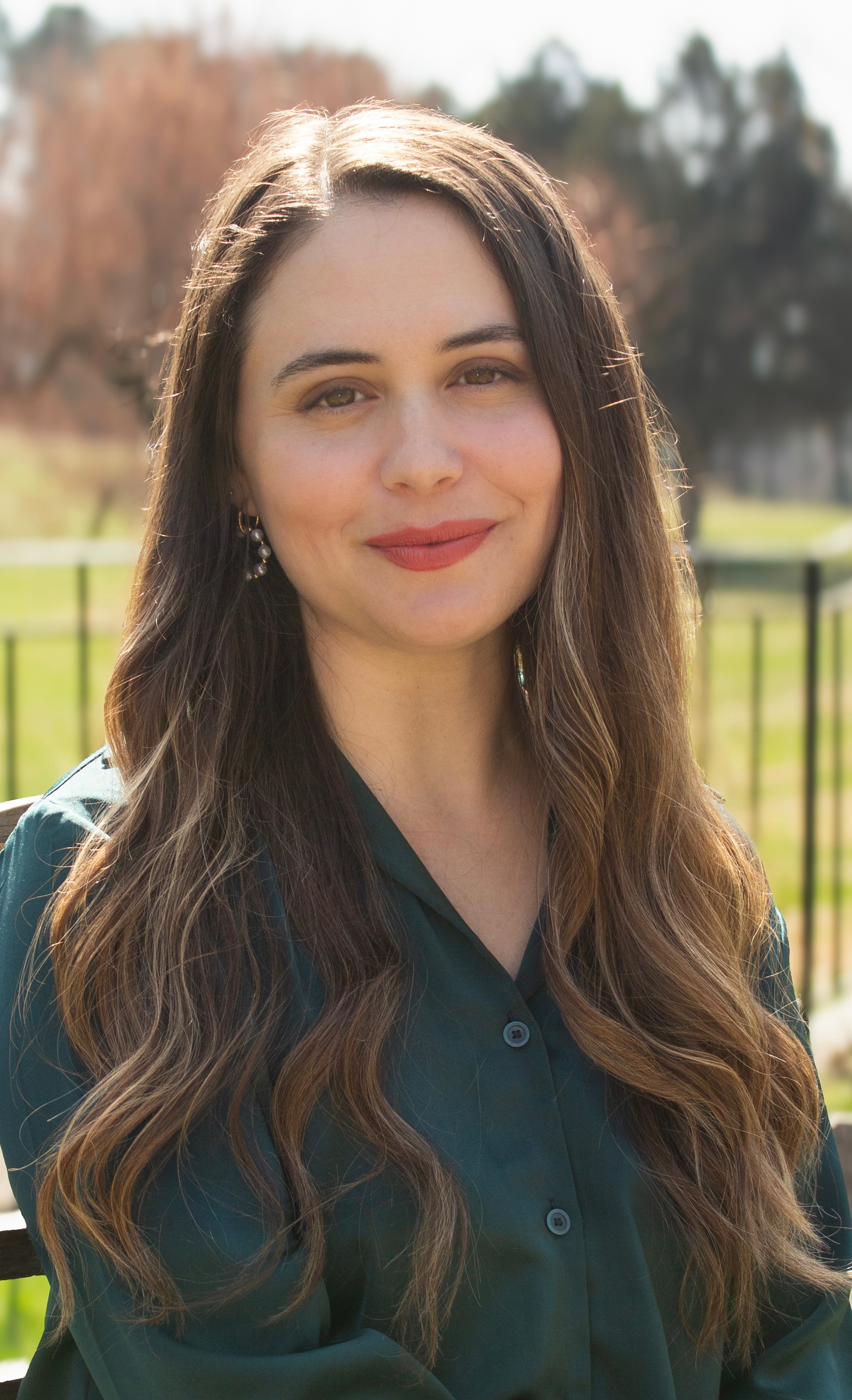
PsyD
,
My approach uses trauma-informed psychodynamic therapy that focuses on helping people gently untangle those layers. Together, we look not only at what’s happening right now, but also at the experiences and patterns that may be shaping how you feel, how you relate to others, and how you understand yourself. Before entering private practice, I trained in a range of settings including forensic facilities, inpatient units, and community mental health programs. Working in these environments exposed me to the many different ways trauma can affect people’s lives. It also shaped my approach to working with complex trauma, dissociation, and severe mental illness. These experiences taught me to look beyond surface symptoms and to understand how people adapt to very difficult circumstances in ways that once helped them survive. I’m genuinely curious about each person’s story — not just the chapter that led you to seek therapy now, but the larger context of your life. Rather than assuming how things are “supposed” to look, I focus on understanding what your experiences have actually been like. My personality and sense of humor are part of the therapy room as well. I believe meaningful therapy happens when people feel comfortable enough to be genuine, and authenticity is an important part of the work we do together.
Dr. Melo specializes and treats: Adult survivors of childhood trauma, Complex PTSD, Depersonalization & derealization, Personality Disorders, Bipolar Disorder, Depression, Psychosis, Panic Disorder, Health Anxiety & OCD, Relationship and/or marital issues, Family conflict, Anxiety disorders, Loss & bereavement, Self esteem issues, and Stress & adjustment issues due to life changes.
My approach uses trauma-informed psychodynamic therapy that focuses on helping people gently untangle those layers. Together, we look not only at what’s happening right now, but also at the experiences and patterns that may be shaping how you feel, how you relate to others, and how you understand yourself. Before entering private practice, I trained in a range of settings including forensic facilities, inpatient units, and community mental health programs. Working in these environments exposed me to the many different ways trauma can affect people’s lives. It also shaped my approach to working with complex trauma, dissociation, and severe mental illness. These experiences taught me to look beyond surface symptoms and to understand how people adapt to very difficult circumstances in ways that once helped them survive. I’m genuinely curious about each person’s story — not just the chapter that led you to seek therapy now, but the larger context of your life. Rather than assuming how things are “supposed” to look, I focus on understanding what your experiences have actually been like. My personality and sense of humor are part of the therapy room as well. I believe meaningful therapy happens when people feel comfortable enough to be genuine, and authenticity is an important part of the work we do together.
In session, i like to combine exploration of the past and the "here and now". This means that, although the past is vital to understanding patterns and behaviors, the here and now is where we untangle it. I will draw on our therapeutic relationship to better understand such moments and how you relate to others.
Psychoanalytic theory guides my work. I also pull strongly from existential theory and DBT when necessary.
I am the daughter of two immigrant parents and grew up in Miami, FL where conversations around mental health were often kept quiet. That experience shaped my commitment to creating a space where people can speak openly and feel understood. I am a (mostly fluid) Spanish speaker and value being able to connect with clients across cultural experiences. My approach uses trauma-informed psychodynamic therapy that focuses on helping people gently untangle those layers. Together, we look not only at what’s happening right now, but also at the experiences and patterns that may be shaping how you feel, how you relate to others, and how you understand yourself. Before entering private practice, I trained in a range of settings including forensic facilities, inpatient units, and community mental health programs. Working in these environments exposed me to the many different ways trauma can affect people’s lives. It also shaped my approach to working with complex trauma, dissociation, and severe mental illness. These experiences taught me to look beyond surface symptoms and to understand how people adapt to very difficult circumstances in ways that once helped them survive. I’m genuinely curious about each person’s story — not just the chapter that led you to seek therapy now, but the larger context of your life. Rather than assuming how things are “supposed” to look, I focus on understanding what your experiences have actually been like. My personality and sense of humor are part of the therapy room as well. I believe meaningful therapy happens when people feel comfortable enough to be genuine, and authenticity is an important part of the work we do together.